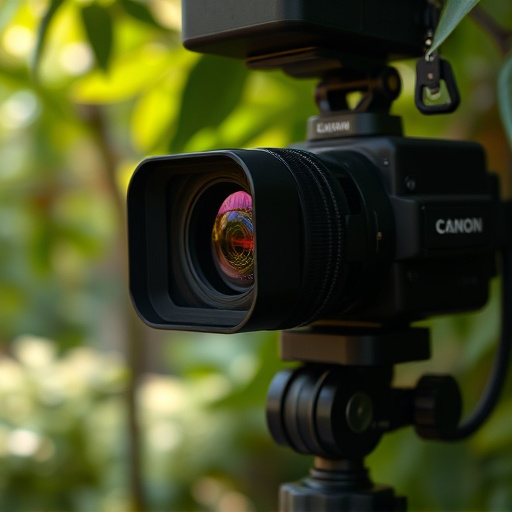
Understanding and adhering to varying state laws on hidden cameras is crucial for legal covert recordings, preventing civil rights violations. Identify common recording spots like office spaces or public areas, regularly inspect them, and stay updated on local Hidden Camera Laws by State. Employ best practices including using sophisticated equipment, training personnel, maintaining records, and respecting privacy rights.
Uncover the insidious world of covert recordings with our comprehensive guide. In an era where privacy is a precious commodity, understanding hidden camera laws by state is paramount. This guide delves into the legal landscape surrounding these devices, empowering you to identify potential spots they might hide. Learn practical best practices for detection and navigate the complexities of varying state regulations, ensuring your knowledge keeps pace with evolving technology.
- Understanding Hidden Camera Laws by State
- Identifying Potential Covert Recording Spots
- Legal Considerations and Best Practices for Detection
Understanding Hidden Camera Laws by State
Understanding hidden camera laws by state is crucial for navigating the legal landscape surrounding covert recording. Each U.S. state has its own set of regulations pertaining to the use and installation of hidden cameras, with varying degrees of restrictions and penalties. For instance, some states, like California and New York, have stringent laws that require explicit consent from all parties involved before activating any surveillance devices. Other states may allow for certain types of hidden cameras under specific conditions, such as in businesses for security purposes or by law enforcement with proper authorization.
Knowing these state-specific rules is essential to ensure compliance and avoid legal repercussions. Individuals and organizations alike must be mindful of the potential consequences, including civil rights violations and criminal charges, that could arise from improper use of hidden cameras. Therefore, it’s important to research and understand the Hidden Camera Laws by State before deploying any covert recording methods.
Identifying Potential Covert Recording Spots
Identifying potential covert recording spots is a critical step in mitigating unauthorized surveillance, especially considering the varying Hidden Camera Laws by State. Awareness is key to protecting your privacy and security. Start by understanding common places where hidden cameras might be installed, such as office spaces, public areas with high foot traffic, or even seemingly innocuous everyday items like smoke detectors or thermal heaters. Regularly inspect these areas for any unusual devices or modifications that could indicate the presence of covert recording equipment.
Be mindful of your surroundings and look out for signs like strange wires, irregular placements of objects, or devices appearing out of place. Additionally, stay updated on local Hidden Camera Laws by State to understand your rights and legal protections. This proactive approach can significantly reduce the risk of falling victim to covert recording and empower you to take appropriate measures to safeguard sensitive information.
Legal Considerations and Best Practices for Detection
When employing covert recording spot identification methods, it’s crucial to understand and adhere to the legal framework surrounding hidden camera laws by state. Each jurisdiction has its own regulations regarding surveillance, with varying degrees of restrictions on placement and use. Violating these laws can lead to severe penalties, including fines and imprisonment. For instance, some states mandate clear visible indicators that inform individuals they’re being recorded, while others have stricter requirements for obtaining consent.
Best practices for detection involve a combination of technological sophistication and ethical considerations. Utilize discreet yet advanced equipment designed for subtle placement. Regularly update your knowledge on local hidden camera laws by state to stay compliant. Additionally, train personnel involved in the process to identify potential recording devices with a keen eye, ensuring no legal boundaries are crossed. Maintain comprehensive records of all surveillance activities, including dates, times, and locations, to safeguard against any accusations of misconduct or unauthorized recording.
In today’s digital age, understanding hidden camera laws by state is paramount to protecting your privacy. By identifying potential covert recording spots and adhering to legal considerations, you can navigate this complex landscape with confidence. Remember, staying informed about these best practices for detection is crucial to safeguarding your personal and professional spaces from unwanted surveillance.