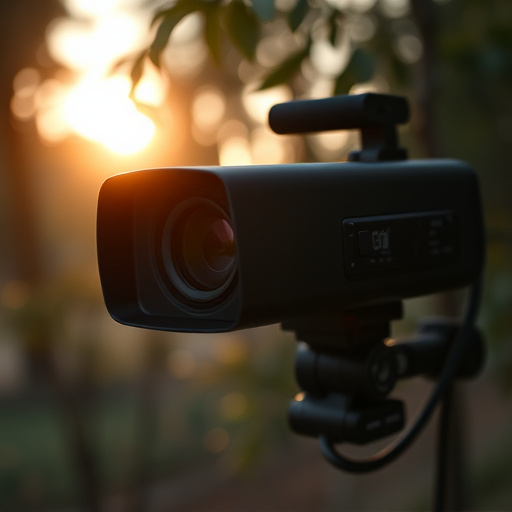
Understanding light reflection and its unique signatures is a powerful tool for detecting hidden cameras, aligning with Hidden Camera Laws by State. Skilled professionals identify unusual light patterns on surfaces, revealing spy camera locations. Advanced tools analyze video quality, IR signatures, frequency interference, and lens distortions to uncover hidden threats. By navigating state-specific privacy laws, individuals can protect their spaces and foster secure environments in today's digital age.
In an era where privacy concerns are on the rise, understanding and combating hidden spy cameras have become paramount. This article delves into innovative techniques, specifically light reflection analysis, for detecting covert surveillance devices. We explore the legal landscape of hidden camera laws across various states, shedding light on the regulations in place to protect citizens’ privacy. Furthermore, we profile common spy camera types and their distinct signatures, empowering readers with knowledge to identify potential threats.
- Understanding Light Reflection for Spy Camera Detection
- Legal Implications: Hidden Camera Laws Across States
- Common Spy Cameras and Their Unique Signatures
- Techniques to Identify Reflected Light Patterns
- Enhancing Safety: Using Technology to Combat Hidden Cameras
Understanding Light Reflection for Spy Camera Detection
Understanding how light reflects is key in detecting hidden cameras, especially given varying legal frameworks like the Hidden Camera Laws by State. Different materials and surfaces have distinct reflection properties, allowing skilled practitioners to identify unusual patterns that could indicate a spy camera’s presence.
For instance, a small, well-placed mirror or a reflective surface can bounce light back in such a way as to reveal its source, exposing hidden cameras. This technique leverages the science of optics and light waves, reflecting them off surfaces and analyzing the resulting patterns to uncover clandestine surveillance devices.
Legal Implications: Hidden Camera Laws Across States
The legal implications of hidden camera detection are crucial and vary significantly across different states in the US. Each state has its own set of laws pertaining to the use and installation of hidden cameras, often referred to as ‘bugging’ or ‘eavesdropping’ devices. These laws protect citizens from invasive surveillance and ensure privacy rights. Understanding Hidden Camera Laws by State is essential for both individuals and businesses to avoid legal repercussions.
In many states, it’s illegal to install a hidden camera without explicit consent from all parties involved. This includes capturing images or audio in private spaces, such as homes or offices, without notice. Some states have strict penalties, including fines and imprisonment, for those who violate these laws. For instance, California has stringent privacy laws, making it a crime to place any recording device in a confidential communication, with punishments ranging from fines to jail time. As technology advances, so do the legal frameworks surrounding hidden camera detection, reflecting the ongoing need to balance privacy rights with public safety.
Common Spy Cameras and Their Unique Signatures
Hidden cameras, also known as spy cameras, come in various forms and can be challenging to detect due to their sophisticated design and advanced technology. Understanding the unique signatures of common spy camera types is a crucial step in identifying potential hidden threats. These devices often utilize specific light reflection techniques to capture images or videos secretly, leaving distinct visual clues that can alert users to their presence.
One prevalent type is the miniature camera, which can be disguised as everyday objects like watches, pens, or even wall sockets. These cameras typically employ infrared (IR) illumination, making them nearly invisible to the naked eye but leaving a telltale IR signature when analyzing the resulting footage. Another common spy camera technology involves digital image stabilization, creating stable visuals even in shaky environments, which can be detected by examining the video quality and frame consistency. Additionally, some devices operate on specific frequencies, leading to interference patterns that might be visible in the recorded content. Being aware of these unique characteristics enables individuals to stay vigilant and navigate Hidden Camera Laws by State effectively, ensuring their privacy and safety.
Techniques to Identify Reflected Light Patterns
Identifying reflected light patterns is a crucial aspect of detecting hidden cameras, especially in today’s digital era where such devices are becoming increasingly sophisticated. One technique involves analyzing the unique characteristics of light reflection off surfaces within a given space. Since each environment has distinct features, the way light bounces off these surfaces creates a signature pattern. By studying these reflections, individuals can spot anomalies that might indicate the presence of a spy camera. For instance, a subtle glow or unusual distortion in reflections could suggest a hidden lens capturing the scene.
In addition to visual inspection, technological advancements have enabled professionals to use specialized tools and software to enhance these patterns. These aids can detect even minute variations in light intensity or distortion caused by camera lenses, making it easier to uncover hidden surveillance equipment. Understanding Hidden Camera Laws by State is also essential for anyone concerned about privacy, as it empowers individuals to take proactive measures to protect their spaces from unlawful surveillance.
Enhancing Safety: Using Technology to Combat Hidden Cameras
In today’s digital era, as hidden camera technology becomes more advanced and accessible, ensuring privacy and security is paramount. This has led to a growing emphasis on detecting these devices, particularly in public spaces and private homes. One innovative approach gaining traction is the use of light reflection techniques to uncover clandestine surveillance equipment. By analyzing subtle changes in light patterns and reflections, individuals or security personnel can identify hidden cameras, thus enhancing safety measures.
This method leverages the principles behind Hidden Camera Laws by State, which vary across different regions but generally aim to protect citizens from unwarranted surveillance. With technology on their side, people can now actively combat the presence of these devices, fostering a more secure environment. This proactive approach encourages businesses and residents to take control of their safety, especially in high-risk areas where privacy is a primary concern.
The detection of spy cameras using light reflection techniques has emerged as a powerful tool in combating hidden surveillance. By understanding how light interacts with these devices, individuals can navigate their rights under various state-specific hidden camera laws and take proactive measures to protect their privacy. With the continuous evolution of technology, staying informed about different spy camera types and their unique signatures is essential. This knowledge enables us to enhance safety measures, ensuring that our personal spaces remain free from unwanted intrusion, even in the digital realm.