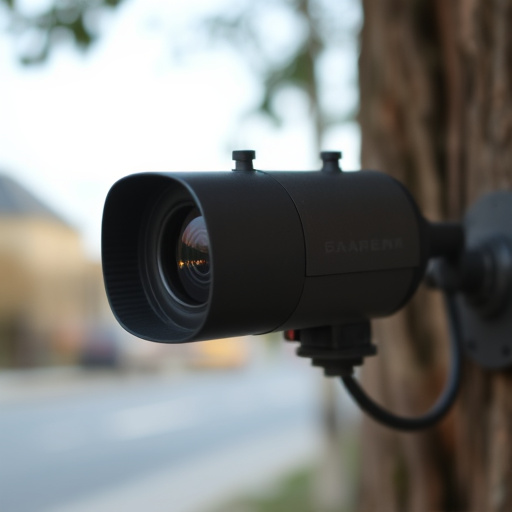
Before installing hidden security cameras, research state-specific Hidden Camera Laws by State to ensure legal compliance and respect privacy rights. Understand where cameras can be placed, who needs consent for recordings, and balance security measures with ethical considerations. Use discreet methods and stay informed about regulations to protect both privacy and security.
“Uncover the art of security camera concealment with our comprehensive guide, designed to navigate the intricate landscape of privacy laws. From understanding state-specific hidden camera regulations to mastering ethical considerations, this article is your compass. Explore creative techniques for both residential and commercial settings, ensuring optimal security without compromising privacy. Additionally, discover advanced detection methods to uncover hidden cameras effectively. Get ready to demystify the world of surveillance technology while adhering to the Hidden Camera Laws by State.”
- Understanding Hidden Camera Laws: A Comprehensive Guide
- State-by-State Regulations: Uncovering Legal Boundaries
- Ethical Considerations: Privacy vs. Security Balance
- Creative Concealment Techniques for Home and Business
- Detection Methods: Unmasking Hidden Cameras Effectively
Understanding Hidden Camera Laws: A Comprehensive Guide
Before concealing security cameras, it’s crucial to understand the legal landscape surrounding hidden camera use. Hidden Camera Laws by State vary significantly, with each state having its own regulations on surveillance and privacy rights. Some states explicitly prohibit the use of hidden cameras without explicit consent, while others allow limited deployment for security purposes. It’s essential to research and comply with local laws to avoid legal repercussions.
For instance, some states require clear visibility of a camera’s presence, such as placing signs or stickers indicating surveillance is in effect. Others have specific restrictions on recording conversations or certain activities. Staying informed about these Hidden Camera Laws by State ensures your security measures remain within ethical and legal boundaries, fostering a balance between safety and privacy.
State-by-State Regulations: Uncovering Legal Boundaries
Hidden camera laws vary significantly from state to state in the United States, creating a complex landscape for those looking to implement security camera systems. Understanding these regulations is crucial before installing any surveillance equipment. Each state has its own set of rules governing the use of hidden cameras, with considerations around privacy rights and consent.
For instance, some states have strict guidelines on where cameras can be placed, such as prohibiting devices in private areas like bathrooms or bedrooms. Others require explicit consent from all parties involved for recording, while a few have exceptions for security purposes. It’s essential to research the specific laws in your state, known as Hidden Camera Laws by State, to ensure compliance and maintain legal boundaries. This is especially critical when setting up cameras in public spaces, workplaces, or even home environments where privacy expectations differ.
Ethical Considerations: Privacy vs. Security Balance
When concealing security cameras, it’s crucial to balance the need for safety with respect for privacy. While a well-placed hidden camera can deter crime and ensure security, it also raises ethical questions. Laws regarding hidden camera usage vary significantly from state to state, with some states having strict regulations on where and how they can be installed. For instance, Hidden Camera Laws by State often mandate explicit consent or limit the use of cameras in common areas like bathrooms or bedrooms. It’s essential for property owners to understand these laws to ensure their security measures remain within ethical and legal boundaries.
The privacy-security balance is a delicate one; excessive camera placement can create an oppressive atmosphere, while inadequate surveillance might leave potential criminals unimpeded. Property owners must strive for proportionality, using cameras only in areas necessary for effective security without invading personal spaces. Respecting individuals’ right to privacy should be a guiding principle, ensuring that any concealment techniques are employed responsibly and in adherence to local legislation.
Creative Concealment Techniques for Home and Business
Creative Concealment Techniques for Home and Business
In today’s digital era, security camera systems offer unparalleled peace of mind, but discreet installation is key to maintaining privacy. For homeowners and business owners alike, understanding Hidden Camera Laws by State is essential before implementing concealment techniques. Legal restrictions vary across states, so it’s crucial to research local regulations to avoid legal pitfalls.
Creative methods can turn everyday objects into surveillance tools while keeping cameras out of sight. From fake rock cameras that blend seamlessly into landscaping to discreetly integrated devices within decorative items like lamps or picture frames, the possibilities are endless. Professional installers often utilize unique strategies, such as mounting cameras inside mirrors or employing hidden compartments in furniture, ensuring both functionality and aesthetic appeal.
Detection Methods: Unmasking Hidden Cameras Effectively
Uncovering hidden security cameras is a critical aspect of maintaining privacy and security awareness. Detecting these devices requires a combination of technological advancements and vigilant observation. One effective method involves utilizing specialized equipment, such as thermal imaging cameras, which can identify heat signatures unique to electronic components, thus revealing hidden cameras that may be disguised as everyday objects. Additionally, experts recommend regular visual inspections, especially in high-risk areas like homes, offices, or public spaces, where cameras could be strategically placed to capture sensitive information.
Understanding the legal landscape surrounding hidden camera usage is equally essential. Hidden Camera Laws by State vary significantly, with some states having stringent regulations prohibiting their use without explicit consent. Being aware of these laws can help individuals and organizations ensure they are not only protecting their privacy but also adhering to legal boundaries. Regular updates on legislation related to surveillance technology are crucial for staying informed and maintaining a safe environment.
In conclusion, navigating security camera concealment involves a delicate balance between privacy rights and public safety. Understanding both local Hidden Camera Laws by State and ethical considerations is paramount for deploying surveillance systems responsibly. By employing creative concealment techniques tailored to home or business settings, you can enhance security while respecting individual freedoms. Moreover, staying informed about detection methods ensures that hidden cameras remain unmasked, fostering a safer environment for all.